Terrell Owens Net Worth: NFL Earnings, Financial Collapse, and Lessons Learned
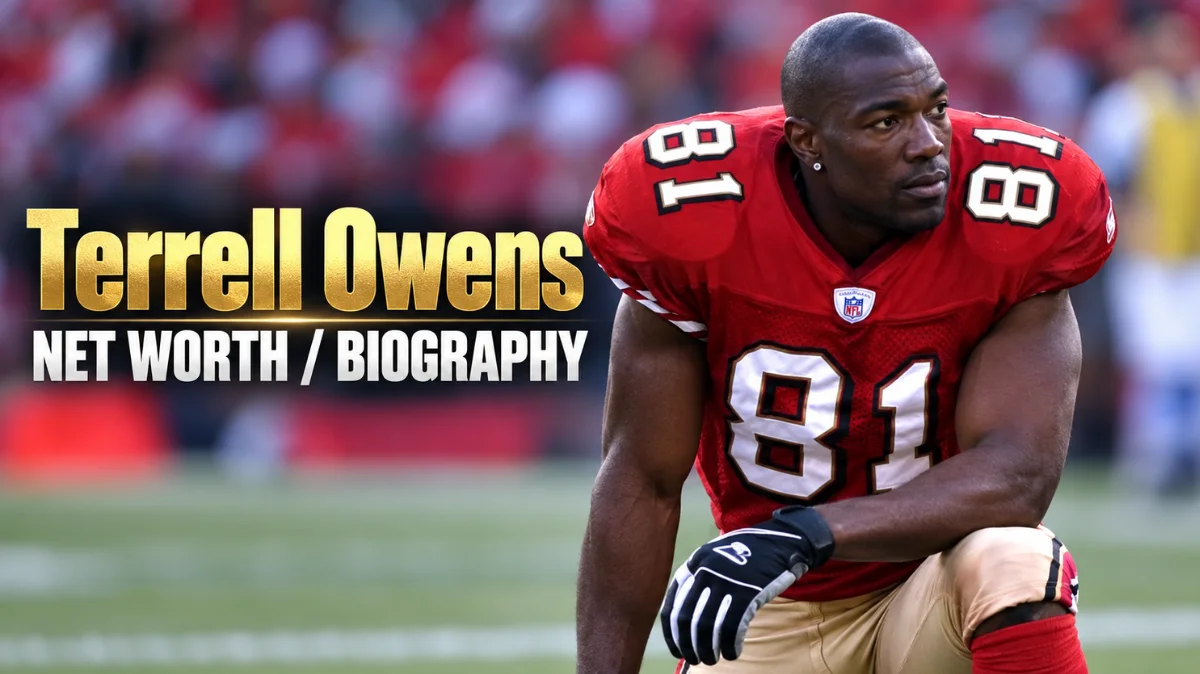
Terrell Owens’ net worth is commonly estimated at $500,000 in 2026, a striking contrast to the roughly $80 million in gross NFL earnings tied to his playing career. That figure is a published estimate, not a verified account of his assets and debts.
The Hall of Fame receiver has spoken openly about investment losses, misplaced trust, and the difficulty of managing money once football income stopped. His story is more than a celebrity downfall. It shows why earning a large income and building lasting financial security are different achievements.
Understanding what happened means separating documented earnings from estimates, investment losses from ordinary expenses, and financial hardship from a confirmed bankruptcy filing.
Quick Facts
| Category | Details |
| Estimated net worth | $500,000, based on published celebrity wealth estimates |
| Date of birth | December 7, 1973 |
| Age | 52 (turns 53 in December) |
| Birthplace | Alexander City, Alabama |
| NFL teams | San Francisco 49ers, Philadelphia Eagles, Dallas Cowboys, Buffalo Bills, Cincinnati Bengals |
| Additional NFL stint | Seattle Seahawks preseason in 2012 |
| Career NFL earnings | Approximately $80 million in gross pay |
| Hall of Fame induction | 2018 |
What Is Terrell Owens’ Net Worth?
The estimated Terrell Owens net worth is $500,000. That number appears in published celebrity wealth profiles, but Owens has not released a personal financial statement to confirm it. It does not show how much cash he has, what his private investments are worth, or whether every obligation is included.
His playing earnings are easier to trace than his present wealth. NFL salary records document large paychecks across his career, and his own interviews confirm that he later hit serious financial trouble. What remains unclear is how far he has recovered. He has kept working in entertainment, business, and public appearances, but none of that comes with a public income statement. It would be wrong to assume his finances match the situation he described in 2012, and just as wrong to claim he has rebuilt a large fortune without evidence.
The safest summary is that Owens earned exceptional money through football, suffered major financial setbacks, and has pursued new opportunities since leaving the NFL.
Early Life
Growing Up in Alexander City, Alabama
Terrell Eldorado Owens was born in Alexander City, Alabama, on December 7, 1973. He attended Benjamin Russell High School and then played college football at the University of Tennessee at Chattanooga. His mother and grandmother were important figures in his upbringing, and he has spoken emotionally about their influence.
Chattanooga let him develop without the spotlight that follows players at the biggest programs, and his performances eventually caught the attention of NFL scouts. San Francisco selected him in the third round of the 1996 NFL Draft, which began a career that made him one of the most productive receivers of his era.
His rise also changed his finances overnight. Professional football brought large paychecks, commercial opportunities, and investment pitches, and learning to handle that environment became a separate challenge from mastering his position.
NFL Career
1. San Francisco 49ers
Owens played for San Francisco from 1996 through 2003, developing alongside Jerry Rice and becoming a major receiving threat himself. A defining moment came on January 3, 1999, against the Green Bay Packers, when his late touchdown catch from Steve Young won a playoff game and became known as “The Catch II.” Over eight seasons with the 49ers, he recorded 592 receptions, 8,572 receiving yards, and 81 receiving touchdowns. Those years built the base of his earning power and gave him leverage in later contract talks.
2. Philadelphia Eagles
Owens joined Philadelphia in 2004 and helped the Eagles reach Super Bowl XXXIX, where he caught nine passes for 122 yards in a loss to New England. His time there also featured a contract dispute and a breakdown with the organization, and the Eagles suspended him during the 2005 season before releasing him. The short stay showed both sides of his career, outstanding production and highly public conflict.
3. Dallas Cowboys and Later Teams
Owens played for Dallas from 2006 through 2008 and topped 1,000 receiving yards in each season. He then spent 2009 with Buffalo and 2010 with Cincinnati. His final NFL totals were 1,078 receptions, 15,934 receiving yards, and 153 receiving touchdowns, along with six Pro Bowl selections and induction into the Pro Football Hall of Fame in 2018. A brief Seattle preseason chance in 2012 did not lead to another regular season game.
The end of his NFL career mattered financially. The big paychecks stopped, but property costs, family responsibilities, and other obligations did not.
NFL Salary and Career Earnings
Published salary records place Owens’ gross pay from his five regular-season teams at about $79.56 million, which supports the common description of roughly $80 million in NFL earnings. Football fortunes like this are common at the top of the sport, and the Adrian Peterson net worth story is another example of how an elite NFL career can generate enormous pay and still raise hard questions about what is kept.
| Team | Seasons | Reported Cash Earnings |
| San Francisco 49ers | 1996 to 2003 | $23,840,000 |
| Philadelphia Eagles | 2004 to 2005 | $11,576,668 |
| Dallas Cowboys | 2006 to 2008 | $34,730,000 |
| Buffalo Bills | 2009 | $6,250,000 |
| Cincinnati Bengals | 2010 | $3,166,666 |
| Total | 1996 to 2010 | $79,563,334 |
The table leaves out his brief 2012 Seattle preseason arrangement and any endorsement income. The amounts are reported cash compensation, including salary and bonuses, not the maximum advertised value of every contract he signed. They are also figures before taxes, professional fees, and living costs, so the total should not be read as money that sat untouched in a personal account. Dallas paid the most despite being a shorter stay than San Francisco, since the timing and structure of veteran contracts can make a short tenure very lucrative.
What Happened to Terrell Owens’ $80 Million Fortune?
Owens’ problems came from several pressures at once. His own accounts describe investment losses and too much reliance on advisers, while reporting at the time also documented property costs and large family obligations.
One qualification matters here: the $80 million was gross career pay, not a verified peak net worth. Owens himself pushed back on the idea that he simply lost an $80 million fortune. In a 2012 interview, he questioned how the public treated his contracts and earnings while acknowledging that he had lost money. That does not make his difficulties less serious, but it makes the story more accurate. Taxes, spending, investment losses, and remaining assets all have to be counted before anyone can say how much personal wealth disappeared.
Financial Mismanagement and Bad Investments
Owens has said he placed too much trust in the people managing his money, focusing on football while expecting advisers to protect his interests. One widely reported loss involved about $2 million put into an Alabama entertainment and gambling project, and real estate became another problem when property values fell and expected income did not arrive.
The wider investment issue led to regulatory action. In 2013, FINRA barred broker Jeffrey Rubin over unsuitable recommendations and unapproved securities transactions involving NFL players, and the regulator described losses tied to a failed Alabama casino project. That finding gives useful context, but it is not a full accounting of Owens’ personal losses. Property also added pressure, because even a valuable home carries monthly costs and selling in a weak market can lock in a loss. Reporting at the time described large child support payments as well, though old amounts should not be assumed to be his current schedule.
Rebuilding After Financial Collapse
Owens’ hardship is documented, but a personal bankruptcy filing was not independently verified for this article. Bankruptcy is a legal process and should not be used as another word for being short of money, and reports on the bankruptcy of an investment project do not prove that every investor filed personally.
What is clear is that he looked for new work after his NFL income ended, including entertainment appearances, branded ventures, and media projects that used his public profile. Rebuilding rarely comes with a dramatic announcement. It can mean earning new income, cutting commitments, settling obligations, and taking a closer role in financial decisions. Athletes who bounce back are a recurring theme in sports business, and the Allen Iverson net worth story shows how another star with huge earnings had to face real financial strain after his playing days. No public accounting shows how far Owens has progressed, so his continued commercial activity shows effort and opportunity but does not confirm any level of recovered wealth.
Lessons Owens Has Shared With Other Athletes
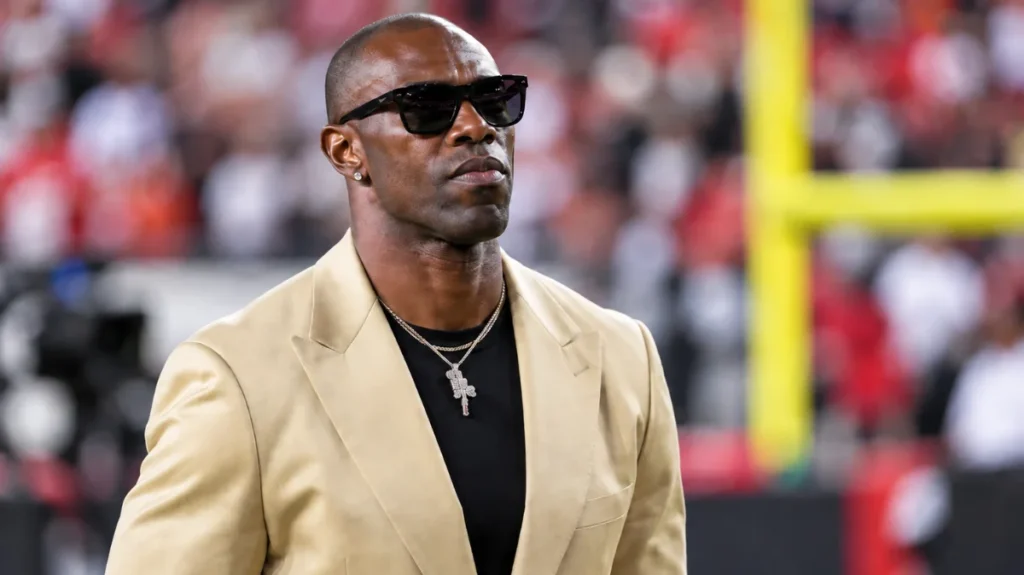
Owens encourages athletes to take responsibility for their finances even when they hire professionals, because handing off tasks should not mean giving up oversight. In a published financial interview, he accepted his own share of the blame for not paying closer attention, and he warned players against copying the spending habits of established stars just because those lifestyles look normal in a locker room.
His practical advice is to live within your means, plan for taxes, ask questions, and understand an investment before agreeing to it. He also urges players to seek experienced advice instead of accepting every proposal. The lessons matter most in careers where income can jump quickly and then stop without warning. A big contract creates a chance at financial security, but keeping it takes good decisions during the career and afterward, and fame does not remove the need for scrutiny.
Dak Prescott and Owens’ Story as a Cautionary Tale
Owens’ experience returned to sports coverage in August 2026, when Dak Prescott was reportedly asked about it during training camp. The Dallas quarterback voiced concern, encouraged teammates to find reliable financial guidance, and offered to connect players with people he trusts if they were unsure where to turn.
That response made Owens’ story relevant to a new generation of players. Both men have strong ties to the Cowboys, but the lesson reaches well beyond one team. Trust matters, yet it works best alongside informed oversight, and knowing an adviser personally does not replace understanding the fees, the risks, and what happens to the money. The reporting supports discussing Prescott’s response but does not show that a long list of other players has publicly cited Owens the same way. Owens’ willingness to discuss his losses is also part of the lesson, since it helps younger athletes spot warning signs without reducing his career to what followed it.
Other Ventures
- Dancing with the Stars (2017): He competed alongside professional dancer Cheryl Burke, which introduced him to an audience beyond football.
- Getcha Popcorn Ready: He developed this podcast with former NFL receiver Matthew Hatchette, and in 2021, Fubo Sports Network announced a television version featuring conversations across sports and entertainment.
- Prototype81: This apparel brand lists Owens as its founder and links his athletic identity to a business beyond playing contracts.
Controversies
Owens’ career drew attention for end zone celebrations, outspoken comments, and clashes with teams, and his conflict with Philadelphia remains the clearest example. The Eagles suspended him in 2005 for conduct detrimental to the team, and the decision was upheld through arbitration. Athletes whose conduct cost them opportunities exist across sports, and the Jon Jones net worth story shows how controversy can limit earnings for a gifted competitor without ending a career.
Those disputes should not be treated as a full explanation for his later money problems. His own accounts and the available reporting point to investments, weak oversight, and ongoing obligations as major factors, and assigning a precise dollar loss to each incident would need evidence that is not available. A balanced view recognizes that Owens was both a remarkably productive athlete and a frequently controversial public figure, and neither fact cancels the other or fixes his current financial position.
Personal Life
Owens is a father, and his family responsibilities have appeared in reporting about his finances, though private relationships and support arrangements should be kept separate from public estimates attached to his name. He has also spoken about the importance of his mother and grandmother, and his grandmother’s experience with Alzheimer’s disease shaped his interest in raising awareness of the condition.
Historical court reporting describes particular moments, not a permanent picture of his household, since payments, custody arrangements, and family needs change over time. The same applies to his wealth. A hard period after football should not define every later year, and the available evidence supports discussing his setbacks honestly while leaving room for changes that have not been publicly documented.
FAQs
What is Terrell Owens’ net worth in 2026?
His net worth is commonly estimated at $500,000 in 2026. That is a published estimate, not a verified personal financial statement, and his current assets, business interests, liabilities, and cash are not fully disclosed.
How much money did Terrell Owens make in the NFL?
Reported cash earnings from his regular season teams total about $79.56 million, commonly rounded to $80 million. That covers San Francisco, Philadelphia, Dallas, Buffalo, and Cincinnati, and it is gross pay before taxes and expenses, not retained wealth.
What happened to Terrell Owens’ fortune?
Owens has blamed major losses on poor investments and too much reliance on financial advisers. Reporting also documented real estate problems and large ongoing obligations. The situation involved several pressures, not a single decision, and his gross earnings should not be mistaken for a confirmed personal fortune of the same size.
Has Terrell Owens recovered financially?
The extent of his recovery is not publicly verified. He has kept pursuing media, entertainment, apparel, and other commercial work, but those activities do not establish his current net worth. There is not enough public information to say he has either fully rebuilt his wealth or remains where he was years ago.
What advice does Terrell Owens give other athletes about money?
He stresses personal oversight, living within your means, asking questions, and understanding an investment before committing money. He also warns against copying other players’ expensive lifestyles, and his central message is that hiring advisers does not remove an athlete’s responsibility to stay involved.